

Delft
Delft Portuguese Fort Ruins
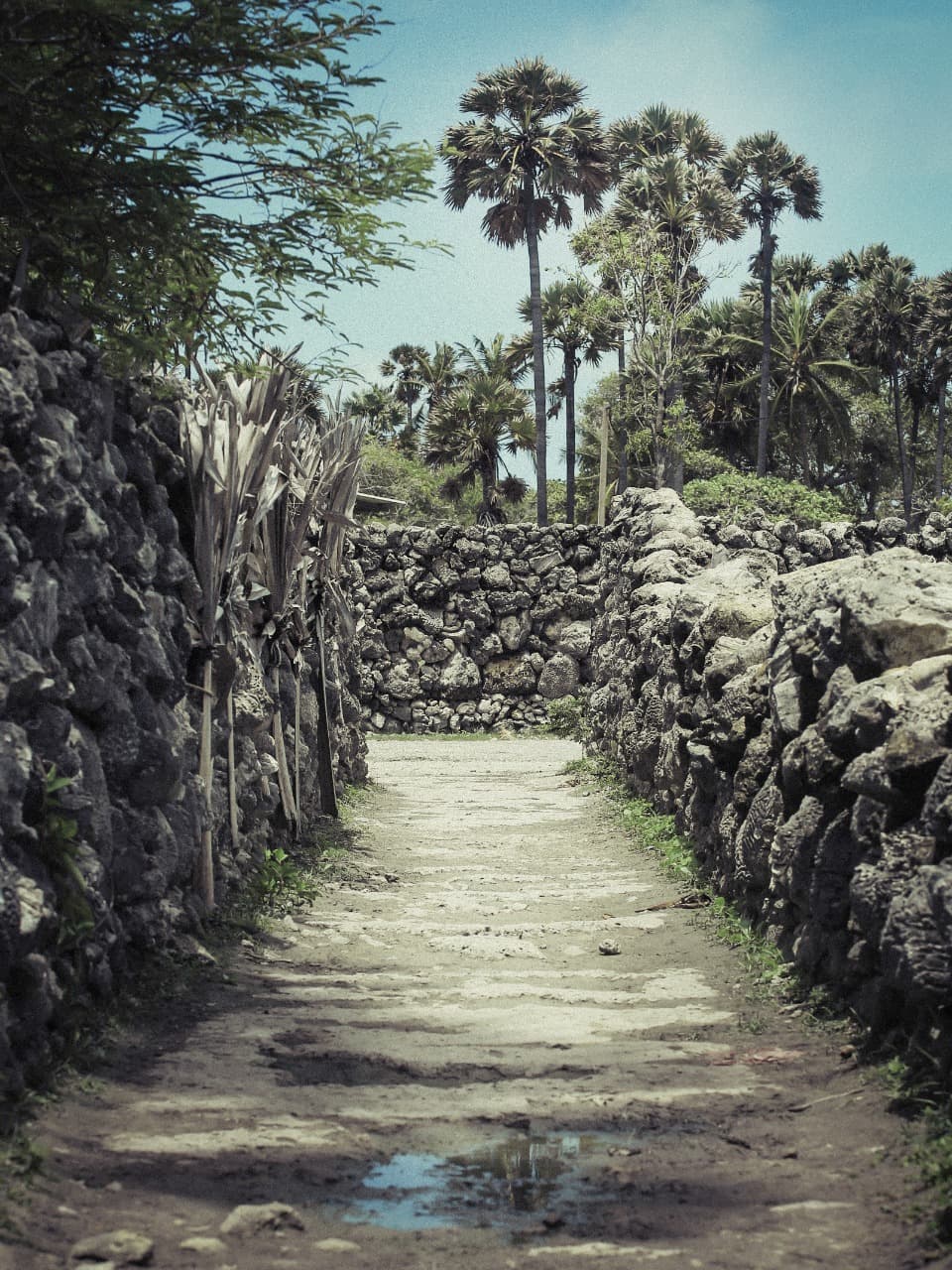
The square coral-stone shell of the earliest European outpost on Neduntheevu — five minutes from the ferry jetty, four hundred years on.
November to March; arrive on the morning ferry for the early light
Best time to visit
Open landscape; site visit timed by the ferry — typically 9 a.m. arrival, 2 p.m. return
Opening hours
Free; the ferry from Kurikadduwan is approximately Rs 200 per person
Entrance fee
The fort ruins at Delft sit a short walk inland from the jetty where the morning ferry from Kurikadduwan ties up. The Portuguese raised the original square work in the early 17th century to police the Palk Strait shipping route between Jaffna and the Indian coast; the Dutch took it from them in 1658, after the fall of Jaffnapatam, and held it for the next century and a half before the British inherited the island. What stands today is mostly the Dutch revision over the Portuguese footprint — low coral-stone walls enclosing a roofless square, with the openings of long-vanished doorways and a deep stone-lined well at the centre.
The construction is its own story. There is no granite or basalt on Delft; the only stone available is the coral rubble lifted from the surrounding reef flats. Every wall here, the fort included, is built from the same broken white-grey blocks. The result is a building that looks as if it has grown out of the ground rather than been imposed on it. Sea wind has pitted the surfaces over the centuries; the corners are softened; the well shaft still draws water.
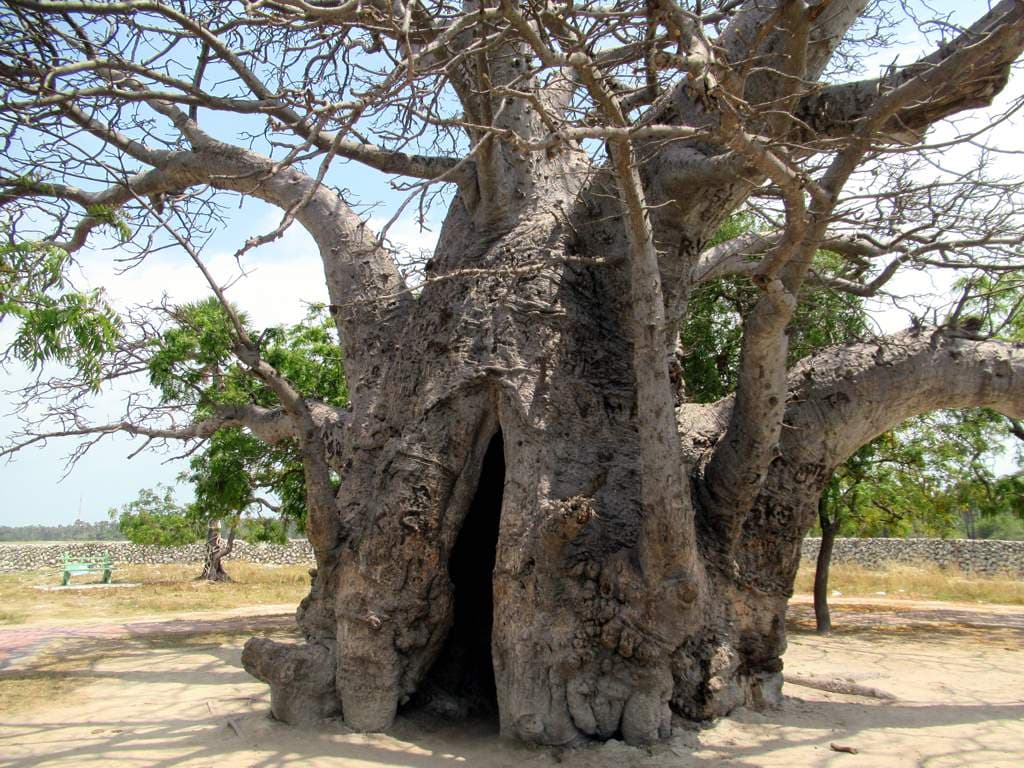
The fort is the first stop on almost every island tour. The converted tractors that meet the ferry — long-bench trailers towed behind a small farm tractor, a 4WD on the more comfortable circuits — pause here for fifteen or twenty minutes before pushing on to the baobab, the wild horses, and Queen's Tower. There is no formal entrance gate, no signage of any depth, and no caretaker; the site is open to the wind and to whoever turns up.
Visit early in the day if you can. The morning ferry from Kurikadduwan typically arrives at Delft around nine; the light at that hour, low and from the east, picks out the texture of the coral-stone walls in a way the midday sun flattens. By eleven the wind is up and the heat off the open ground becomes considerable.
Pair it with the Queen's Tower a few minutes inland — the British-era navigation aid that completes the European-period circuit on the island — and with the Delft Baobab Tree on the way back to the jetty.
What to know
Visiting quietly
- Best season
- November to March, when the Palk Strait crossing is calm
- Etiquette
- Do not climb the coral-stone walls; the construction is fragile and the corners crumble underfoot. Take any rubbish out with you — there is no waste collection on Delft.
- Getting there
- 1.5 hours from Jaffna to Kurikadduwan jetty by road, then 50 minutes on the ferry
A closer look
Location
On the map
Nearby
On the same circuit
Practical things
Frequently asked
How do you reach Delft?
Is there an entrance fee for the Delft fort ruins?
Who built the fort at Delft?
Planning a visit to Delft Portuguese Fort Ruins?
Begin a quiet conversation
Enquire about an Abbiholiday villa nearby and Abbi will help you plan your trip to the North.
We reply within 24 hours, usually within a few hours.Your enquiry comes straight to Abbi's inbox.